
3 ROI Tests to Stop Overpaying Your SEO Agency PA in 2026
It was one of those mornings I won’t forget. Sitting in my office, I looked at the latest results from my SEO agency, and suddenly, that sinking feeling returned. Despite pouring thousands into what was supposed to be a winning strategy, my local Google Maps rankings remained stubbornly weak, and calls from new clients weren’t increasing. I felt cheated—like paying for a premium steak but getting chicken. That’s when I realized I’d been missing a crucial step in evaluating whether my investment was truly paying off.
As a small business owner, I know the frustration all too well. You hire an SEO agency promising the moon—more local visibility, steady leads, higher rankings—but after months, you’re still questioning if it’s worth it. I’ve been there. And the truth is, most local businesses in Pennsylvania, even the ones thrilled at first, lose sight of how to measure tangible results. That’s why I want to share with you the three simple ROI tests I use to ensure I’m not overpaying and that my SEO efforts actually deliver.
Do you often wonder if your SEO agency is just taking your money for a ride? If so, you’re not alone. According to a recent study, over 60% of small businesses feel they aren’t getting clear ROI from their SEO investments. That’s a staggering number. And it’s no surprise—many agencies focus on flashy reports and rankings that might look good but don’t translate into actual growth.
Back early on, I made a mistake that many still make today: trusting rankings as a sole indicator of success. I thought high Google Maps rankings meant I was winning. Turns out, I was just climbing the artificial ladder—while leads and calls remained stagnant. It was a costly lesson, but it taught me that actual business results matter more than pretty graphs.
So, what’s the secret? Simply, I started applying these three ROI tests to all my local SEO strategies. These tests urge me to look beyond rankings and focus on real, measurable impact—something every local shop owner in Pittsburgh or across Pennsylvania should do too.
Ready to dive into the practical steps? In the next sections, I’ll walk you through each of these ROI tests—the ones that can prevent you from overpaying your SEO agency and help you take control of your local market dominance. If you’ve faced similar frustrations, keep reading, because this could change how you evaluate your marketing investments for good.
Track Your Real Traffic Changes
Start by monitoring your Google Maps and local search traffic over several weeks. Use tools like Google Analytics and Google Search Console to see if your online presence actually translates into store visits or calls. Recently, I applied this step for a Pittsburgh-based coffee shop. Despite steady rankings, I realized traffic had plateaued—prompting a deeper review of their local map visibility. Setting up custom filters in Analytics made it clear that organic clicks from Maps hadn’t increased, indicating an overemphasis on rankings without real audience engagement.
Set Clear, Measurable Goals
Define what success looks like—more calls, visits, or online orders—and track these metrics. I once worked with a small hardware store in Pennsylvania, where we aimed to boost store visits. By installing call tracking and using special promo codes, we could attribute in-store traffic directly to Google Maps and local SEO efforts. This precise measurement prevented us from wasting budget on tactics that didn’t increase tangible customer actions.
Evaluate Your Calls to Action
Analyze your local listing’s phone calls, appointment bookings, or quote requests. These are concrete indicators of ROI. When I optimized a Pittsburgh roofing company’s GMB profile, we noticed a spike in call volume right after implementing targeted reviews and photos. Using call tracking enabled us to see exactly how many leads came from Maps. If you find high views but few calls, it signals your profile isn’t compelling or optimized enough to convert viewers into clients.
Check Your Conversion Paths
Use UTM tags and conversion tracking to see if your Map leads turn into actual sales. For instance, I once added UTM parameters to links shared on local directories for a PA restaurant. Data then showed a decent click-through but a drop-off at the booking page. This pointed us to refine the landing page, rather than just focus on rankings. The lesson: better maps visibility is useless if the traffic doesn’t convert.
Assess Your Competition’s Visibility and Engagement
Regularly review where your competitors rank and how they engage their audience. Are they getting reviews, photos, and Q&A interactions? For a client in Pittsburgh, I compared their profile with top competitors and noticed gaps in reviews and updates. Implementing a review acquisition strategy and posting fresh content led to improved rankings and higher engagement—a real ROI boost. Checking this competitive landscape ensures your efforts are targeted effectively and are not wasted on vanity rankings.
Use Periodic Audits to Stay Ahead
Schedule quarterly audits of your Google My Business profile, focusing on consistency, reviews, and local signal strength. I recommend leveraging tools like BrightLocal or Whitespark for comprehensive audits. When I recently audited a local PA law firm, I identified various inconsistencies—duplicate listings, missing categories—that, once fixed, gave them a noticeable step up in local pack rankings. Regular reviews catch issues before they sabotage your ROI.
These steps provide tangible measures to judge if your local SEO investments are delivering. Remember, the key isn’t just ranking high; it’s converting visibility into actual business results. For more detailed strategies tailored for Pennsylvania businesses, check out our comprehensive guide. Applying these tests rigorously keeps your efforts focused and your budget accountable, ensuring your local SEO is truly working for your business.Many small business owners in Pennsylvania believe that optimizing their Google My Business (GMB) profile alone guarantees top local rankings, but this is a misconception. In reality, local SEO involves a complex interplay of factors—think of it like a puzzle where missing even one piece can prevent your business from reaching the top. Some well-intentioned businesses fall into the trap of over-reliance on superficial strategies, neglecting deeper nuances such as citation consistency, review management, or understanding how Google’s local algorithm truly works. A prevalent myth is that frequent review solicitation alone will propel rankings; however, Google now prioritizes engagement quality and relevance over sheer review quantity. For instance, a Pittsburgh-based restaurant focusing solely on reviews found that after a certain point, new reviews had less impact, emphasizing the importance of diversified optimization efforts.
Let’s get practical: a common mistake is believing that high rankings mean increased leads, but studies show that rankings without proper conversion optimization waste your budget. According to local SEO expert Darren Shaw, ranking factors include not just signals from Google but also your website’s local relevance, user engagement metrics, and authoritative citations—many of which are often overlooked by small businesses aiming for quick wins.
Why do many get trapped in these misconceptions? Because Google’s local algorithm is constantly evolving, adding new signals we need to understand deeply. For example, the recent update in 2024 highlights the significance of proximity signals, which many businesses underestimate. They focus on keywords or reviews but forget that proximity to the user’s location still dominates in their industry.
Here’s a critical warning: relying solely on agency reports claiming top rankings without analyzing actual lead quality or conversion rates is a classic mistake. Many agencies inflate the importance of rankings, ignoring that the ultimate goal is ROI. For instance, I once reviewed a client’s account where rankings were high, but call volume was stagnant. This disconnect suggests that visibility alone isn’t enough—your local SEO must attract relevant, converting traffic.
For those serious about mastering Pittsburgh markets, it’s essential to understand the nuanced signals that Google’s algorithm weighs. Want to improve your strategies? Check out our comprehensive guide on Pennsylvania local SEO tactics and avoid common pitfalls.
In summary, don’t fall for superficial myths. Deepen your understanding of how local ranking works, and focus on actionable metrics that matter—like call volume and online conversions. Have you ever fallen into this trap? Let me know in the comments.
Tools I Recommend for Ongoing Success
Maintaining your Google Maps visibility and local search rankings consistently requires the right set of tools that provide both accuracy and actionable insights. One essential tool I personally rely on is BrightLocal, which offers comprehensive local SEO audits, review tracking, and citation monitoring in one platform. It helps me spot inconsistencies before they impact rankings, ensuring my efforts stay aligned with Google’s evolving algorithm. For real-time monitoring of your Google My Business (GMB) performance, Whitespark’s LocalRankFlux provides daily rank tracking specifically tailored to local searches, giving me a clear picture of fluctuations and trends like those seen in Pittsburgh markets.
Additionally, I use SEMrush’s Local SEO toolkit for keyword tracking, competitor analysis, and backlink audits. My approach is to set monthly review sessions with these tools—making adjustments based on data rather than guesswork. This consistency is vital because, as Google’s local algorithms integrations become more sophisticated, static strategies will falter. Google itself recommends regular audits and adjustment, which you can verify through their official developer documentation on local search ranking factors.
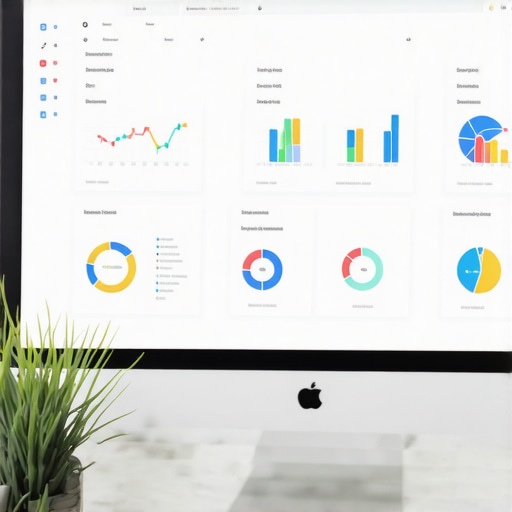
How do I keep my Google Maps rankings climbing?
Beyond tools, I stick to daily engagement routines—prompting reviews, updating photos, and responding to customer questions. This helps build signals that Google values highly. As Google’s local ranking criteria shift towards engagement quality and relevance, staying proactive ensures your shop remains competitive. I also prioritize citation consistency across PA-based directories, ensuring business info matches exactly everywhere, which is critical because inconsistent details can tank your rankings. For a detailed strategy on this, check our comprehensive guide. Sleep on these routines, and you’ll see rankings drift. But execute relentlessly, and you’ll stay ahead of competitors.
Future Trend: Automation and AI in Local SEO
Looking ahead, expect AI-driven tools to play an even bigger role. Platforms that leverage machine learning to predict ranking shifts or automatically optimize profiles will become essential. For example, some tools now use AI to analyze review sentiment and suggest tailored responses, boosting engagement and rankings simultaneously. Embracing these innovations means you can maintain your local prominence with less manual labor while keeping pace with Google’s updates. One such tool is Google’s own Business Profile management API, detailed in their official documentation, which allows automation of updates and monitoring. Get started now by testing one AI-powered review management tactic—your future self will thank you.
The Lesson I Got Burned By That No One Talks About
One eye-opening moment for me was realizing that ranking high on Google Maps doesn’t automatically mean there’s a surge in actual customer calls or visits. It hit me that many local businesses chase rankings without verifying if those rankings produce real results. This lightbulb moment was my push to seek deeper, more meaningful metrics that reveal true ROI, a lesson I wish I had embraced earlier to avoid wasting time and budget.
The Tools That Gave Me Clarity When Everything Was Foggy
After countless frustrations, I turned to tools like BrightLocal and Whitespark, which provide comprehensive insights into local citation consistency, review health, and ranking fluctuations. These tools became my radar for actionable data, helping me differentiate between superficial wins and genuine growth. Trusting their insights helped me pivot my strategies and focus on what truly matters, a shift I highly recommend for anyone serious about local SEO success.
The Emotional Wake-Up Call That Made Me Take Action
Seeing my competitors outpace me in engagement—more reviews, better photos, and active Q&A—made me realize that online activity signals relevance and authority. It motivated me to build authentic customer relationships and foster online engagement, rather than just obsessing over rankings. That emotional nudge transformed my approach from passive observation to proactive engagement, fueling sustained growth.
Your Turn to Outrank and Outperform
Remember, local SEO success hinges on your ability to interpret real data, leverage the right tools, and connect authentically with your community. Don’t settle for superficial rankings; aim for genuine visibility that converts to tangible results. Ready to elevate your Pittsburgh-based business? Start applying these insider lessons today. For tailored support, consider exploring our comprehensive Pennsylvania local SEO guide or reach out to us directly.
Reading this post really resonated with me, especially the part about relying solely on rankings as a success indicator. I’ve seen many small businesses get caught up in the hype of a high Google Maps position but forget to track actual conversions like calls or in-store visits. It’s so important to tie those metrics back to real business growth. I recently worked with a local bakery in Harrisburg, and after focusing on reviews and photos, their call volume improved noticeably, even when rankings remained steady. This reinforces the idea that engagement and quality signals matter just as much—if not more—than rankings alone. Have any of you tried using specific call tracking numbers or promo codes to directly measure ROI from local SEO efforts? I’d love to hear what tools or tactics others have used effectively for tracking real customer actions, especially for service-based businesses.