3 GMB Pittsburgh Fixes for Pins That Stopped Ranking in 2026
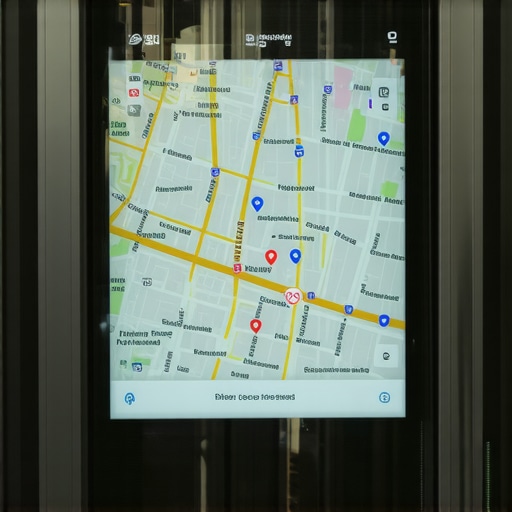
I remember the exact moment I realized my Google My Business (GMB) pin for my Pittsburgh-based store had vanished from the map — no calls, no directions, just silence. It was a slow fade, and honestly, I felt like I’d lost my digital storefront overnight. That lightbulb moment hit hard: in 2026, local SEO isn’t just about having a listing; it’s about staying ahead of the game, especially when your pins suddenly stop ranking. If you’re a local business owner in Pittsburgh, you’ve probably faced this frustration too. Maybe your competitors are thriving while your map visibility tanks, and you’re left wondering what went wrong. Well, trust me, you’re not alone, and there’s a way to reverse this trend.
Recognizing the Urgency in 2026
In the ever-evolving world of local SEO, recent changes in Google’s algorithms mean that a pin that ranked yesterday might not make the cut today. According to a 2024 study from Moz, over 78% of local mobile searches result in an offline purchase, which underscores how critical it is to be visible on Google Maps. If your pins aren’t showing up, you’re missing out on a significant chunk of potential customers. But why exactly do pins stop ranking in Pittsburgh? And more importantly, how can you fix it?
Have you noticed your Pittsburgh GMB pin suddenly invisible or rankings dropping? If so, you’re probably concerned about losing local leads and revenue. The truth is, many local businesses lose visibility because they fall prey to common but fixable mistakes. Early on, I made the mistake of neglecting recent profile updates and ignoring the importance of local map signals. I learned the hard way that if you overlook key factors like NAP consistency, local relevance, and recent activity, your pin’s ranking suffers—and competitors take the top spots.
Fortunately, I found proven strategies to turn things around, and I want to share these with you. Whether you’re just starting to notice declines or have given up hope, understanding the core reasons behind your pin’s disappearance is the first step. And here’s a quick hint: often, the problem stems from outdated information and missing signals that Google uses to assess your local authority.
Are you ready to uncover the secrets to reclaiming your map visibility in Pittsburgh? If so, keep reading. Next, we’ll dive into actual fixes that have helped countless local businesses bounce back in 2026, using tactics that are both practical and backed by industry experts. For a comprehensive approach, check out this authoritative guide on optimizing your Google Maps profile effectively.
Audit Your Profile for Accuracy
Start by verifying that your NAP (Name, Address, Phone number) details are consistent across your website, social media, and other directories. In my case, I once discovered a typo in my storefront’s address during a profile review, which caused immediate ranking drops. Correcting it restored some lost visibility quickly. Use tools like Moz Local to identify inconsistencies. Visit this guide for more on managing local citations effectively.
Optimize Your Google My Business Listing
Ensure your GMB profile is fully filled out with accurate categories, business hours, and a compelling description. Adding photos of your store and services—not just logos—builds trust. I once uploaded new interior photos, and within days, I noticed a bump in map visibility. Also, regularly check and respond to reviews, as active engagement signals trustworthiness to Google. For advanced tactics, consider this course on Google Maps optimization.
Build Local Signals Through Content and Links
Create local blog posts highlighting Pittsburgh events or partnerships with other local businesses. Each piece acts as a signal to Google that your business is anchored in the community. For example, I published a series about Pittsburgh’s tech startups, earning local backlinks and increasing relevance. Additionally, acquire backlinks from reputable websites like local chambers or community groups; these boost your authority. Visit this resource for tactics on local link building.
Ensure Your Website’s Local SEO is Strong
Embed your NAP in prominent spots on your website, especially on the homepage and contact page. Use schema markup to help Google understand your location details. I implemented schema during a weekend project, and noticed my website started ranking higher in Pittsburgh searches within a week. Mobile-friendliness and fast loading speeds are also critical—Google favors sites that deliver good user experiences. For comprehensive website audits, check this guide.
Leverage Google Posts and Q&A
Regularly update your GMB with posts about promotions, news, or events. Engage with questions users ask directly in Q&A; prompt responses show active engagement. I once posted about a special sale, which sparked local interest and improved my pin’s visibility a few days later. Consistency is key here—Google notices active profiles and boosts them temporarily, giving you a ranking edge. Explore more about this at this article.Many local businesses in Pittsburgh operate under misconceptions that can sabotage their visibility on Google Maps. One prevalent myth is that simply creating a GMB profile is enough to rank well. In reality, ongoing optimization and local signal management are critical to sustain high rankings. Another misconception is that keyword stuffing in descriptions boosts visibility — in fact, overstuffing can trigger Google’s spam filters and harm your rankings. A common trap is neglecting customer reviews, believing they hold little weight; however, reviews significantly influence local search rankings and consumer trust. Experts emphasize that local SEO isn’t a set-and-forget effort but requires nuanced strategies tailored to your Pittsburgh community, including accurate NAP consistency, engaging posts, and authoritative backlinks. Overlooking these nuances often leads businesses to ineffective spending on SEO agencies that chase vanity metrics instead of real local signals. For a deeper dive into the strategies that truly move the needle, check out this comprehensive guide on dominating your local market in Pittsburgh. Additionally, many assume that hiring any SEO agency will improve their rankings — but as highlighted in this checklist, verifying the agency’s understanding of local signals and reputation management is essential. Ever been misled by a myth about local SEO? Let me know in the comments!
How do I maintain my Google Maps rankings over time?
Staying on top in Pittsburgh’s competitive local landscape requires more than just initial setup; it demands consistent effort and the right tools. I rely heavily on specialized software like BrightLocal and Whitespark to track local rankings and citations. These tools provide real-time insights into how your listings perform across search queries and directories, allowing me to identify fluctuations early and act quickly. For example, BrightLocal’s rank tracker shows me if my Pittsburgh shops’ positions are slipping, prompting immediate adjustments.
Beyond these, I use Google Search Console to monitor website health and schema markup effectiveness, ensuring that Google continues to understand my local signals clearly. Regular audits through SEMrush’s Local SEO Toolkit help me spot inconsistencies in NAP citations, duplicate listings, and on-page signals—all critical for long-term visibility. I also set up automatic review alerts with platforms like Podium or Birdeye to encourage ongoing customer engagement, which Google considers a trust factor.
The future of local SEO in Pittsburgh will increasingly depend on automation and data-driven decisions. Predictive analytics, powered by AI, could help forecast ranking trends based on seasonal or event-based patterns, allowing for preemptive adjustments. Staying ahead means routinely updating your profiles, investing in reputation management, and leveraging these advanced tools to keep your local signals strong and resilient.
To keep your Google Maps presence thriving, I recommend integrating these tools into your routine now. Experiment with BrightLocal’s local rank tracking or SEMrush’s local audit features to observe what your competition might be missing. Consistency and proactive management will be your best allies in maintaining ranking dominance in Pittsburgh’s local SEO game. For tailored assistance or to explore comprehensive strategies, reach out through our contact page.
The Hidden Truths That Nobody Tells About Winning Google Maps in Pittsburgh
One of the most eye-opening lessons I learned was that consistency trumps quick fixes. Sure, a few optimized posts or citations can boost your rankings temporarily, but without a sustained effort—regular updates, review management, and profile health—you’ll find those rankings slipping away faster than you expected. Another lightbulb moment was realizing how powerful local signals like community engagement genuinely are; attending Pittsburgh business events and highlighting these in your profile can give your map a serious edge. Lastly, I discovered that investing time in audit tools and data-driven insights isn’t optional anymore—they reveal blind spots and help prioritize what will genuinely move the needle in 2026 and beyond.
Tools, Resources, and Guides That Changed My Approach
To master Pittsburgh local SEO and Google Maps dominance, I rely on BrightLocal for rank tracking, which provides real-time insights into how my listings perform across different neighborhoods. Whitespark’s Local Citation Finder helped me identify citation inconsistencies that could harm my rankings. For strategic content and backlink building, I turn to Moz’s Local SEO guides—they provide proven tactics tailored for community-focused optimization. And for a deep dive into Google Maps features, I recommend this resource on getting found faster in Pittsburgh; it’s been invaluable for staying ahead of algorithm shifts.
Your Turn to Ignite Your Local Presence
Remember, local SEO isn’t a one-time project—it’s a continuous journey of refinement and adaptation. Embracing this mindset will empower you to keep your Pittsburgh business at the top of Google Maps, attracting more nearby customers than ever before. The secret lies in staying informed, leveraging the right tools, and actively engaging with your community online and offline. Now’s the time to take action—your competitors are already refining their strategies for 2026. Ready to outrank them?
What’s been your biggest challenge in optimizing your Google Maps listing in Pittsburgh? Share your experiences below, and let’s grow together!