![4 Red Flags to Spot in Your SEO Agency PA Contract [2026]](https://pittsburghlocalseo.com/wp-content/uploads/2026/03/4-Red-Flags-to-Spot-in-Your-SEO-Agency-PA-Contract-2026.jpeg)
4 Red Flags to Spot in Your SEO Agency PA Contract [2026]
I remember sitting at my desk one afternoon, staring at a contract from an SEO agency here in Pennsylvania. The words looked innocent enough—services promised, goals outlined. But something didn’t sit right. As I dug deeper, I realized I had almost signed away my business’s online future over vague clauses and hidden pitfalls. That lightbulb moment made me realize how easy it is to overlook red flags in contracts, especially when you just want to get your local SEO sorted out. If you’re like me, eager to rank higher on Google Maps or dominate Pittsburgh’s local search results, this post is for you.
Why Your PA Contract Could Cost You More Than You Think
Choosing the right SEO partner isn’t just about their shiny website or promises of quick results. It’s about understanding what you’re signing up for—particularly the clauses that could silently sabotage your local SEO efforts. I’ve learned through personal experience that some contracts hide sneaky restrictions or commitments that lock you into long-term, unproductive relationships. And trust me, I’ve been there—forgetting to clarify crucial points and then facing surprises that drained my budget without meaningful gains. A report by MOZ even indicates that many local businesses fall prey to SEO agreements that don’t deliver the promised ROI, mainly because of unclear contracts and unmet expectations.
Wondering if your contract is really fair or just a trap?
If you’ve ever felt uneasy reading your SEO agreement but weren’t sure how to interpret the terms, you’re not alone. Early in my SEO journey, I made the mistake of glossing over clauses about reporting and deliverables, assuming they’d be standard. That was a costly oversight. To help you avoid similar pitfalls, we’ll dive into the four critical red flags to watch out for in any PA SEO contract, so you can confidently protect your business.
Now, let’s explore what these warning signs look like and how you can spot them before it’s too late. Ready to get smarter about your local SEO investments? Let’s go.
Verify Contract Clauses Carefully
When engaging with a PA SEO agency, start by meticulously reviewing the contract, especially sections detailing deliverables, reporting, and termination clauses. Think of this as inspecting the foundation before building a house; a shaky foundation leads to collapse. I once caught a clause that restricted my ability to swap providers, which could have locked me into a subpar service. To avoid this, request clear documentation of what the agency will deliver and how success is measured, akin to requesting a detailed map before navigating Pittsburgh’s streets.
Demand Clear Key Performance Indicators
Set transparency standards early by specifying KPIs that tie directly to your goals, such as Google Maps rankings, local search visibility, and call volume. For example, I once asked my previous provider to prove their impact with concrete numbers like position improvements and call increases. Without these, you’re flying blind, like trying to find a hidden gear shift in a complex transmission. Check out how data points your SEO agency must prove to ensure accountability.
Request Regular, Actionable Reports
Ensure your contract stipulates weekly or monthly reports that clearly outline what has been done and what’s upcoming. Think of this as getting regular updates from a Pittsburgh GMB management expert; it keeps you in the driver’s seat. When I enforced this with my agency, I gained insight into how their tactics affected my Google Maps rankings and avoided costly surprises. Look for reports that detail local map signals, Google Maps optimization progress, and reviews, similar to top strategies for Google Maps in Pittsburgh.
Clarify Termination and Refund Policies
Don’t overlook the fine print about contract termination and refunds. A trustworthy agency will allow you to exit if progress stalls or if deliverables aren’t met. I once learned this the hard way, stuck with an agency that didn’t show results after six months. It was like being lost in Pittsburgh’s maze without an exit route. Confirm these policies beforehand, mirroring the approach of spotting red flags in contracts.
Check for Outdated Tactics and Hidden Fees
Ask upfront about the techniques they employ—are they using current, white-hat tactics that align with Google’s latest updates? Avoid agencies that rely on outdated practices, leading to penalties or rankings drops. I once discovered an agency was using black-hat SEO, risking a Google Maps penalty that cost me months of lost traffic. Insist on transparent pricing models and avoid vague terms like “monthly management fee,” demanding specifics on what’s included, similar to how outdated techniques can sabotage your efforts.Many assume that local SEO success in Pennsylvania, especially around Pittsburgh and in Google Maps rankings, hinges on basic keyword stuffing or piling up backlinks. However, as an SEO expert with years in the trenches, I’ve seen extraordinary nuances that most overlook. One common myth is that ranking higher is purely about on-page signals, but the real secret lies in understanding and optimizing subtle local map signals, proximity factors, and user-centric metrics. These aren’t just minor details—they can determine whether your business gets discovered or remains invisible. Trust me, a small misconfiguration on your Google My Business profile can cripple your visibility, especially when local competitors harness advanced, nuanced tactics. For example, consistent NAP (Name, Address, Phone Number) across directories forms a foundational pillar, but don’t underestimate how recent updates like Google’s local algorithm enhancements pick up on user engagement metrics and review quality as well. Failure to adapt to these evolving signals is where many falter.
One significant mistake I repeatedly see is that businesses focus solely on generating reviews without analyzing *which* reviews boost their map rankings the most. Not every positive review holds equal weight—reviews with specific keywords or indications of service quality tied to your local area improve relevance signals. Plus, linking your reviews strategically to your website enhances trust and Google signals.
Is Your Local SEO Strategy Sabotaging Your Growth
Let’s dig into this advanced concern. While many think just creating content and gathering reviews is enough, smarter business owners leverage Google Maps optimization strategies to dominate local searches by refining map signals, utilizing location-specific keywords, and ensuring their citations are flawless. Overlooking these factors means missing out on front-page visibility, especially against big chains that aggressively optimize their local presence. Studies, like those from Moz, show that proximity and review signals combined have a more profound impact on rankings than backlinks alone. Are you paying attention to how your local map signals align with Google’s latest algorithms?
Beyond rankings, focus on measuring actual user engagement outcomes. Are your map views translating into calls or visits? If not, you’re missing a critical opportunity to refine your local SEO tactics. Remember, in a competitive Pittsburgh market, tiny optimizations often lead to significant gains. Want to get a more comprehensive edge? Check out data points your SEO agency must prove to ensure they’re delivering real results.
In conclusion, the nuanced secrets of Pennsylvania local SEO involve much more than surface-level tactics. From optimizing local map signals to understanding the evolving Google algorithm, mastering these intricacies can make the difference between remaining invisible and overtaking competitors. Are you ready to uncover hidden opportunities? For specific strategies tailored to your area, explore mastering Pennsylvania local SEO and watch your visibility soar. Have you ever fallen into this trap? Let me know in the comments.
How do I Keep My PA Local SEO Efforts Working Over Time
Maintaining a strong local SEO presence, especially on platforms like Google Maps in Pittsburgh, requires more than initial optimization; it demands consistent effort, the right tools, and strategic adjustments. One of my favorite tools is BrightLocal, which provides comprehensive local rank tracking, review management, and citation monitoring. I personally rely on it daily to identify fluctuations in my rankings and address issues before they impact visibility. Additionally, Google Search Console remains indispensable for technical health checks, ensuring my website remains optimized for local queries.
For content updates and reviewing user engagement signals, I use SEMrush. Its local SEO toolkit helps identify trending keywords and competitors’ tactics, so I can adapt proactively. Combining these tools helps me maintain a pulse on my rankings and spot opportunities for quick wins, like optimizing new Google My Business features.
Scaling your local SEO efforts in Pittsburgh involves automation and integration. I recommend setting up regular audits using tools like SEOquake and incorporating insights from data points your agency must prove for ongoing accountability. Automating review solicitation through platforms such as Podium or Whitespark can also generate fresh, relevant reviews that boost your local relevance.
Thinking long-term, staying ahead means embracing new Google Maps updates and local ranking signals. For example, recent enhancements like Google’s Local Pack features incentivize optimizing for user engagement and review quality, not just citations. An important trend I predict is a shift towards AI-driven ranking signals, making ongoing analysis and adaptation critical for sustained success.
What Should You Focus on to Keep Your Local SEO Results Consistent
If you’re wondering how to make sure your Pittsburgh business stays visible, it’s vital to develop a routine for tracking key metrics, updating your Google My Business profile, and refining your citation strategy. Regularly auditing your local signals through tools like BrightLocal and periodically reviewing competitor activity helps you stay nimble and beat local chains that leverage aggressive tactics. Remember, your ongoing success depends on staying vigilant and adapting to algorithm updates, user behavior trends, and new features like Google’s local search enhancements.
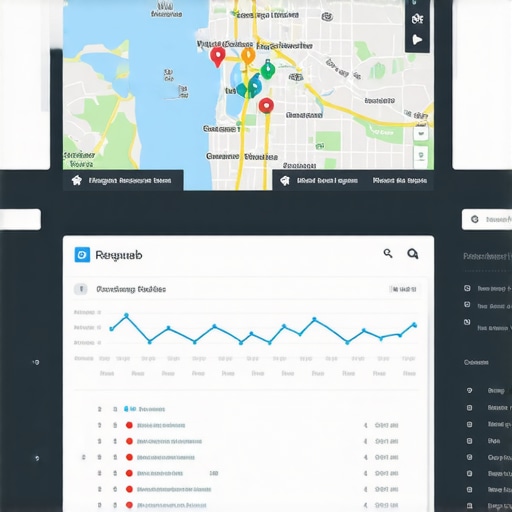
Visualize your strategy with an infographic outlining your local SEO maintenance routine—covering rank tracking, review management, citation audits, and on-page optimization. This visual helps clarify complex processes into actionable steps, making long-term success more achievable.
For a deeper understanding of how to keep your Pittsburgh Google Maps rankings high, explore our GMB Pittsburgh secrets. Incorporate these tools and techniques into your routine, and watch your local visibility grow steadily over time. Start by setting up a weekly check-in on your rankings and reviews, and adjust your strategy based on real data—this is your best bet for sustained success in the competitive Pittsburgh market.
The Hard-Hit Realizations About Pennsylvania Local SEO
One of the most eye-opening lessons I learned embroiled in the intricate world of Pittsburgh’s local search landscape was that many businesses unknowingly sabotage their own rankings through neglecting nuanced signals. I once believed that keyword density and backlinks were kings, only to discover that subtle factors like proximity and review keyword relevance wield surprisingly strong influence—especially in competitive markets. This realization deepened my appreciation for staying updated with Google’s evolving algorithms and maintaining a mindset of continuous learning.
Another tough lesson was understanding that trusting a fancy pitch without detailed KPIs can lead to wasted effort. I found that demanding clear, measurable success indicators like position improvements and call volume spikes Essential for accountability, rather than vague promises, is vital to avoid being led astray by slick but ineffective tactics.
Lastly, I grasped the importance of proactive review and citation management, as upcoming local algorithm updates increasingly value user engagement and local relevance over sheer link counts. Staying vigilant with tools like BrightLocal and Google Search Console became non-negotiable for maintaining consistency in visibility and ranking in places like Downtown Pittsburgh.
Tools That Keep My Strategy Sharp
To navigate the complex terrain of Pennsylvania local SEO, I rely heavily on tools like BrightLocal for local rank tracking and review management which keeps my efforts aligned with real-time insights. Google Search Console provides technical health checks that prevent overlooked issues from eroding my SEO foundation.
In addition, SEMrush arms me with keyword trend analysis and competitor insights, empowering me to adapt swiftly to local market shifts. These tools collectively foster a proactive approach, ensuring I stay ahead in Pittsburgh’s dynamic local search landscape.
For strategic planning, I consult winning tips on mastering Pennsylvania local SEO which distill complex concepts into actionable steps. Combining these resources helps me craft resilient strategies that deliver sustained rankings and increased visibility over time.
Your Journey Starts Now: Seize the Advantage
Embarking on or refining your Pennsylvania local SEO journey isn’t just about chasing rankings; it’s about mastering a multifaceted approach that adapts to Google’s ever-changing signals. With the right tools, relentless focus on nuanced local cues, and diligent management, your business can dominate Pittsburgh’s crowded marketplace and beyond. Remember, the key is persistent effort, strategic insight, and embracing ongoing learning. Ready to transform your local search presence? Dive into expert strategies and innovative tactics by visiting our comprehensive guide on Google My Business in Pittsburgh and start climbing the local rankings today. How are you planning to elevate your Google Maps visibility this month? Let me know below and share your experiences!**