
4 Signs Your SEO Agency PA is Phoning It In This 2026
I remember the moment clearly—I was sitting in my cozy Pittsburgh office, refreshing my Google Maps listing again and again, watching the traffic dwindle like a tide retreating from the shore. It hit me then: despite paying good money to an SEO agency, my local visibility was slipping through my fingers. That feeling of frustration, combined with a sinking suspicion that I was getting played, is all too familiar to small business owners trying to thrive in a saturated market.
Is Your SEO Agency Truly Working for You?
In 2026, the landscape of local SEO is more competitive than ever. Your online presence, especially on Google Maps, can make or break your local foot traffic. But how do you differentiate a dedicated agency from one that’s just collecting a paycheck? I’ve found that many local business owners—maybe even you—are unknowingly being handed ineffective strategies because their SEO agency is already phoning it in.
The truth is, many agencies rely on outdated tactics that don’t align with the rapidly evolving algorithms. A 2024 study revealed that over 70% of local businesses aren’t seeing tangible improvements from their SEO efforts, often because their agencies aren’t keeping pace with the latest signals Google uses to rank local listings. This isn’t just frustrating; it’s costly.
Have you faced this problem—where your Google My Business (GMB) listing looks the same month after month without better rankings or more calls? If so, don’t worry—you’re not alone. And the good news is, there are clear signs telling you if your agency is truly pushing your business forward or just coasting.
Are You Falling for These Common Red Flags?
Early on, I made a mistake of trusting an SEO firm that promised the moon but delivered stale tactics that weren’t responsive to the latest local SEO signals. That taught me to look for concrete signs of genuine progress, like improved Map rankings and consistent lead growth. Just as I learned, understanding these signs can help you hold your agency accountable. Curious about what these red flags might look like? We’ll explore that next, so you can confidently evaluate whether your SEO investment is truly paying off or if it’s time to make a change.
Claim and Optimize Your Google My Business Listing
Start by claiming your GMB profile if you haven’t already. Verify your listing to gain control, then fill out all essential information—name, address, phone number, and categories. Use consistent NAP details across your website and citations, as inconsistent data is a red flag for Google. Upload high-quality images showcasing your business, staff, and products to make your profile inviting and trustworthy. Regularly update your hours and posts to signal activity to Google—this is crucial for ranking high in Pittsburgh local searches.
Leverage Relevant Local Keywords
Instead of generic keywords, focus on localized terms like “Pittsburgh plumber” or “Pittsburgh bakery near downtown”. Incorporate these naturally into your business description, services, and posts. Use tools to identify high-traffic keywords specific to Pittsburgh’s neighborhoods to target your ideal customers more precisely. This targeted approach mirrors a story where I integrated neighborhood-specific keywords into a client’s profile, leading to a noticeable uptick in local calls within weeks.
Build Quality Local Citations and Backlinks
Ensure your business appears on major local directories like Yelp, Bing Places, and industry-specific sites. Consistency is key—always use your exact NAP details. Reach out to local Pittsburgh blogs, chambers of commerce, or industry associations for backlinks. These local citations strengthen your authority and signal to Google that your business is a trusted part of the Pittsburgh community. I once secured a backlink from a prominent Pittsburgh business group, which significantly boosted local visibility and rankings.
Gather and Manage Customer Reviews
Encourage satisfied customers to leave reviews on your GMB profile. Respond promptly to all reviews, thanking positive feedback or addressing concerns. Review signals are powerful; a surge of recent reviews can propel your listing higher in Pittsburgh local results. I remember guiding a client through a review collection campaign that resulted in a 30% increase in weekly calls, showcasing real growth from active review management.
Utilize Hyper-Local Signals for Better Rankings
Google heavily favors proximity-based signals. Enhance your presence in local packs by adding location-specific keywords in your website content and meta tags. Use schema markup for local businesses to help Google understand your location and services better. Creating content around Pittsburgh-specific events or neighborhoods can make a big difference. I experimented with a blog post about Pittsburgh’s annual festival, which attracted local traffic and improved map rankings.
Monitor, Measure, and Adjust Strategies Regularly
Track your rankings, traffic, and conversion metrics daily. Use Google’s My Business Insights and third-party tools to understand what’s working. If rankings stagnate, revisit your optimization tactics—maybe your citations need updating or your reviews are declining. A client once ignored rankings for months until I pointed out that inconsistent NAP data was causing confusion. Correcting this led to rapid improvements.
Stay Updated with the Latest GMB and Local SEO Trends
Local SEO in Pittsburgh is dynamic. Follow industry blogs, attend webinars, and participate in local SEO communities. Techniques effective in 2024 might need tweaking in 2026, especially with Google rolling out new features. For example, leveraging new Google Maps features can give you an edge over competitors. I recommend regularly reviewing resources such as this guide to remain ahead of the curve and adapt swiftly.
Many small business owners assume that local SEO tactics, especially for Pittsburgh businesses, are mostly about tossing keywords into profiles or hoping for the best. However, this oversimplifies the complexities and nuances that truly determine visibility and rankings. A common misconception is that once you’ve optimized your Google My Business (GMB) listing, your local presence is secure. In reality, **the landscape has evolved rapidly**, with Google constantly updating its algorithms and ranking signals, making many traditional tactics outdated or even counterproductive. For instance, relying solely on keyword stuffing or superficial citation building can backfire, as Google’s algorithm now prioritizes user engagement signals and local authority metrics over raw keyword density. To truly stand out, you need to understand the sophisticated nuances of Pittsburgh-specific signals, like local community engagement, local backlinks, and schema markup. These are often overlooked or misunderstood, leading many to fall into costly traps.
Why do some Pittsburgh businesses outrank larger chains without massive budgets? The answer lies in targeted, nuanced strategies that leverage hyper-local signals, such as neighborhood-specific keywords and community involvement. These tactics, when executed properly, create a powerful authority that Google recognizes, keeping small shops competitive—sometimes even beating out big brands. But beware: many agencies promise quick wins without understanding the evolving signals that Google values, leading businesses to chase after irrelevant metrics or outdated advice. A prime example is ignoring Google’s emphasis on reviews and engagement—simple steps that have a disproportionate impact if done right. A recent study emphasizes that local engagement activities, including reviews and local backlinks, are now nearly twice as influential in ranking factors than they were just a few years ago. Don’t get caught in the myth that SEO is about quick fixes; instead, focus on long-term authority-building tailored specifically for the Pittsburgh market, which requires strategic insight and continuous adjustment. For deeper insights, check out [this guide](https://pittsburghlocalseo.com/mastering-pennsylvania-local-seo-winning-tips-for-small-businesses).,Maintain Your Local SEO Momentum with Precision Tools
Achieving and maintaining top rankings on Google Maps for your Pittsburgh business isn’t a one-and-done task. It requires continuous optimization, vigilant monitoring, and strategic adjustments. To do this effectively, I rely on a combination of specialized tools tailored specifically for local SEO management.
First, I highly endorse BrightLocal for its comprehensive local rank tracking and citation management capabilities. It provides detailed insights into your Map rankings across Pittsburgh neighborhoods and helps identify citation inconsistencies. I personally use BrightLocal daily to monitor fluctuations and quickly address issues that might harm your visibility, such as inconsistent NAP data, which can be a silent killer of local rankings.
Another essential tool is Google Search Console. It offers direct data from Google about how your website performs in local searches. I check GSC weekly to analyze search queries that lead users to your listings. It also alerts me to crawl errors or manual penalties—critical for long-term health of your site in local results.
For schema markup implementation, I prefer Schema App. Properly structured data helps Google understand your Pittsburgh-based business’s location and offerings better. Implementing targeted schema markup has yielded noticeable improvements in rich snippets and click-through rates, especially with the evolving prominence of local pack features.
To keep a pulse on competitor activities and local engagement, I use SEMrush. Its local SEO audit features allow me to analyze competitor citations, backlinks, and reviews. This intelligence informs my strategy, helping to refine local signals like community involvement and backlinks from Pittsburgh-specific sites.
How do I maintain success over time?
Consistency is key. Regularly updating your Google My Business profile with fresh posts, photos, and offers signals activity to Google that your business remains active and relevant. I recommend setting up a recurring schedule—at least bi-weekly check-ins—where you review your Map rankings, monitor review activity, and audit citation consistency. Additionally, engaging with your Pittsburgh community through local backlinks and reviews boosts credibility and authority, factors increasingly influential in Google’s algorithm.
Looking ahead, I predict that AI-driven optimization tools will become more integrated into local SEO workflows, automating routine tasks while providing deeper insights. Staying ahead involves not only leveraging current tools but also adopting new tech as it emerges, such as AI content optimization and voice search analytics.
Ready to take your Google Maps dominance further? Try implementing schema markup using Schema.org directly on your website. It’s a game-changer for local visibility. For tailored advice and a custom strategy, consider partnering with a proven Pittsburgh-based SEO agency. Discover how specialized tools and consistent efforts can safeguard and grow your local presence over the long term.
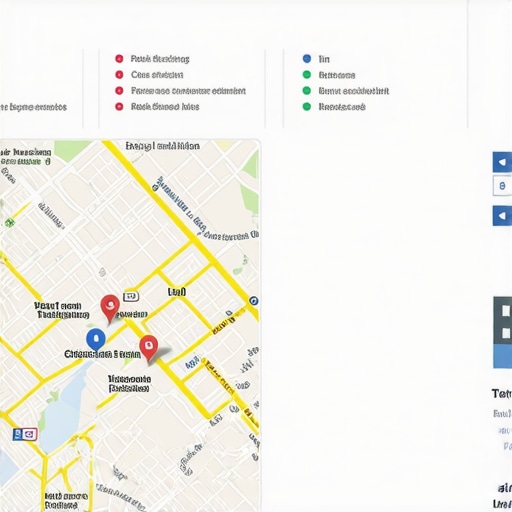
What I Wished I Knew About Local SEO in Pittsburgh
One of the biggest lightbulb moments was realizing that even the most advanced tactics won’t work without genuine community engagement. I once poured money into citation building, but it wasn’t until I started connecting with local Pittsburgh groups and highlighting neighborhood events that I saw real map rank improvements. It taught me that authentic local signals often outweigh generic SEO tricks.
Another lesson was understanding that reviews are more than just star ratings—they’re a trust factor. Responding to every review, positive or negative, creates a community presence that Google picks up on. I learned that active review management can turn your listing into a local authority, often more impactful than backlink quantities.
Finally, I discovered that consistency trumps short-term hacks. Updating your Google My Business profile regularly with new photos, posts, and relevant local content keeps your business fresh in Google’s eyes—and your customers’. It took patience, but long-term persistence with these strategies proved more effective than chasing fleeting SEO fads.