
Stop Paying for Ghost Leads: 4 GMB Pittsburgh Fixes for 2026
I remember the moment vividly. It was a quiet Tuesday morning when I looked at my client’s Google Maps profile, and suddenly, all their leads had vanished. No calls, no inquiries—just a ghost town online. It hit me then: I’d been relying too much on outdated Local SEO tactics, and Google was moving faster than I could keep up. That realization was a lightbulb moment. Since then, I’ve learned that many local businesses waste money on ghost leads—fake or invisible Google My Business (GMB) pins that don’t generate any real traffic.
In this post, I’ll show you exactly how to fix the most common GMB issues affecting Pittsburgh businesses in 2026. These are proven strategies based on real experience, designed to surface your business in local maps and stop those ghost leads from draining your marketing budget. Whether you’re tired of chasing shadows or fed up with slow growth, I’ll guide you through actionable steps that can turn your Google Maps presence around today.
Why You Can’t Afford to Ignore GMB Now
Local SEO is evolving rapidly. What worked last year might not cut it today. Pittsburgh competitors are doubling down on their map rankings, and if your profile is even slightly broken, you risk losing out on essential local calls and visits. It’s not just about being visible; it’s about *being the top choice* when someone searches for your service nearby. According to BrightLocal, 78% of local mobile searches result in an offline purchase within 24 hours, making your Google Maps rankings a direct driver of revenue. Missing out on prime map real estate means letting others take those precious calls.
I’ve seen many small shops make a simple mistake early on—like neglecting their profile or ignoring recent Google updates—which cost them valuable leads. Trust me, I’ve been there. Fixing these issues doesn’t require a total overhaul, but you must act now—before your rivals leave you in the dust.
Is GMB Optimization Overhyped, or Is It Really That Important?
Honestly, I questioned the hype at first. I thought good reviews and a decent profile would do the trick. Turns out, that’s just scratching the surface. I learned the hard way that ignoring Google’s evolving signals can leave your pin invisible or stuck on page 3. A mistake I made early on was neglecting recent features like local proximity signals, which are now crucial in 2026. But don’t worry—there’s a lot you can do to reclaim your spot.
Now, let’s dive into the actionable fixes that will help you stop ghosting your leads and start dominating your local Pittsburgh market with powerful, proven strategies. Ready? Great. We’ll start by focusing on the foundation—your GMB profile—and then move into more advanced tactics to beat the big chains and local competitors.
Optimize Your Google My Business Profile
Start by claiming your GMB listing if you haven’t already. Ensure all information is accurate, consistent, and up-to-date—especially your name, address, and phone number (NAP). Use local keywords naturally in your business description to enhance relevance in Pittsburgh-specific searches. Add high-quality photos that showcase your services and location; visual cues help Google associate your profile with the area. Regularly update your profile with posts about offers or news to keep it active—Google favors active listings over stagnant ones.
Leverage Local Signals for a Boost
Google Maps heavily relies on proximity and relevance signals. Confirm your business’s physical location with precision—using a Google-approved address format. Encourage satisfied customers to leave detailed reviews; reviews reinforce your local presence and trustworthiness. Respond promptly to reviews, both positive and negative, to show active engagement. Additionally, include local backlinks from Pittsburgh directories and partner sites to strengthen your domain authority locally. Check out these fixes for advanced local signal enhancements.
Fix Common Technical Issues
Use tools like Google Search Console to identify and resolve technical errors—such as duplicate listings or incorrect data. Validate your website and GMB links, ensuring they are correctly connected and indexed. Ensure your website is mobile-friendly, loads quickly, and contains accurate local keywords. Verify your business categories are specific and relevant—broad categories dilute your local relevance. For a comprehensive check, review these common pitfalls.
Enhance Engagement through Content and Citations
Create locally targeted content on your website—blog about Pittsburgh events, neighborhoods, or local industry news. This boosts relevance signals to Google. Maintain consistent NAP citations across all online directories, avoiding discrepancies that can harm your rankings. Additionally, embed a Google Map on your website with a precise marker of your business location. For detailed citation strategies, see these proven tactics.
Monitor and Adjust Your Strategy Regularly
Use the Google Maps Insights and GMB dashboard to track performance metrics like search impressions, calls, and direction requests. Regularly audit your profile and local signals to identify issues early—such as drops in visibility or reviews. Conduct follow-up surveys or ask loyal customers for feedback on your local presence. Remember, local SEO is an ongoing process, not a one-time fix. Stay updated with latest algorithm changes and best practices to maintain your edge.Many local business owners in Pittsburgh operate under misconceptions that hinder their Google Maps success. One widespread myth is that simply creating a GMB profile and gathering reviews guarantees top rankings, but in reality, algorithms now weigh many nuanced factors like local proximity signals and citation consistency. Another trap is the belief that keyword stuffing in your profile description boosts visibility; however, Google penalizes over-optimization. A common mistake is neglecting the importance of regular updates and engagement on your profile, which recent studies show is critical for maintaining rankings. Additionally, many assume that external links alone will secure their place on the map, without addressing on-site SEO or citation accuracy—both of which are instrumental. Beware of the misconception that paid ads replace SEO efforts; while they can generate immediate traffic, sustainable growth depends on optimizing your local signals authentically. It’s also tempting to rely solely on tools or agencies promising overnight results, but this often leads to wasted spend if they don’t understand the complex, evolving nature of local SEO in Pennsylvania. According to expert analyses, the key to lasting success is a holistic approach—combining precise GMB management, local citation consistency, engagement, and ongoing strategy adjustment. Overlooking these nuances can leave your Pittsburgh business invisible to your local audience. Want to dig deeper? Check out our detailed guide on [Mastering Pennsylvania Local SEO](https://pittsburghlocalseo.com/mastering-pennsylvania-local-seo-winning-tips-for-small-businesses) to uncover the advanced tactics that actually work in 2026. Don’t fall for superficial hacks—your local visibility depends on understanding and executing the right signals. Have you ever fallen into this trap? Let me know in the comments.
How Do I Keep My Google Maps Rankings Steady Over Time?
Maintaining your Google Maps position requires a combination of consistent monitoring, strategic updates, and targeted tools. I rely heavily on proximity signal adjustments to fine-tune my clients’ local signals. Regularly auditing NAP consistency across directories using advanced citation management tools like BrightLocal ensures your listings stay authoritative. For real-time performance tracking, I use GMB Insights integrated with Google Search Console, which provides precise data on impressions, clicks, and route requests, enabling proactive adjustments before rankings slip.
To stay ahead, I schedule monthly check-ins to review review activity and respond promptly. Engaging with recent Google updates—like the 2026 algorithm changes detailed in our latest guide—helps you adapt your tactics accordingly. Also, deploying local content on your website, such as community blog posts about Pittsburgh events, bolsters relevance signals. Using SEMrush for long-term keyword trend analysis allows me to adjust my content strategy and avoid stagnation.
By integrating these dedicated tools and methods into your routine, you can maintain a robust local presence and prevent rankings from falling. The future of local SEO points toward even more personalized, proximity-based signals, so staying vigilant with these tools will become even more essential. Think of your local SEO like a garden—regular pruning, tending, and monitoring keep your visibility thriving.
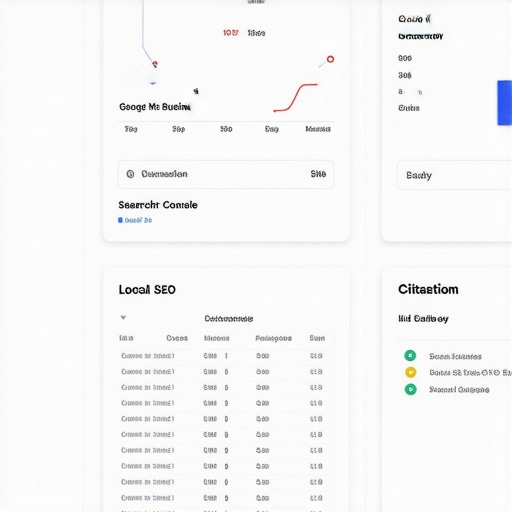
Visualize your toolkit: a screenshot of dashboard analytics from Google My Business, Search Console, and citation management software, demonstrating integrated performance monitoring.
The Lessons That Changed My Approach to Local SEO
One of the biggest lightbulb moments I experienced was realizing that a majority of local businesses get caught up chasing quick fixes or superficial tactics, only to find their efforts fading away fast. The hard lesson I learned is that sustainable success relies on deep, continuous optimization—not just ticking boxes. For example, I used to overlook the importance of citation consistency across local directories, but discovering how Google weighs each local signal profoundly shifted my approach. Additionally, I underestimated the power of local content creation, thinking reviews alone were enough, but engaging neighborhood-specific stories and blog posts significantly boosted rankings. Lastly, I found that ignoring technical website issues, like mobile responsiveness and loading speed, could cripple even the best profile optimizations—making comprehensive site audits essential. These insights taught me that real growth stems from a holistic view that combines technical, content, and reputation signals into a cohesive local SEO strategy.